


Teen has been fighting a brain tumor most of her life, and lately she’s winning.
By Maureen Gilmer, Riley Children’s Health senior writer, mgilmer1@iuhealth.org
Kennedy Ellis has been enjoying a rare stretch of good health lately. So when she came to the Riley Outpatient Center this week with her parents, Dustin and Krystal, she was relaxed, thoughtful and happy.
It’s been 18 months since she last needed chemotherapy, a treatment that has defined her life since she was a baby.
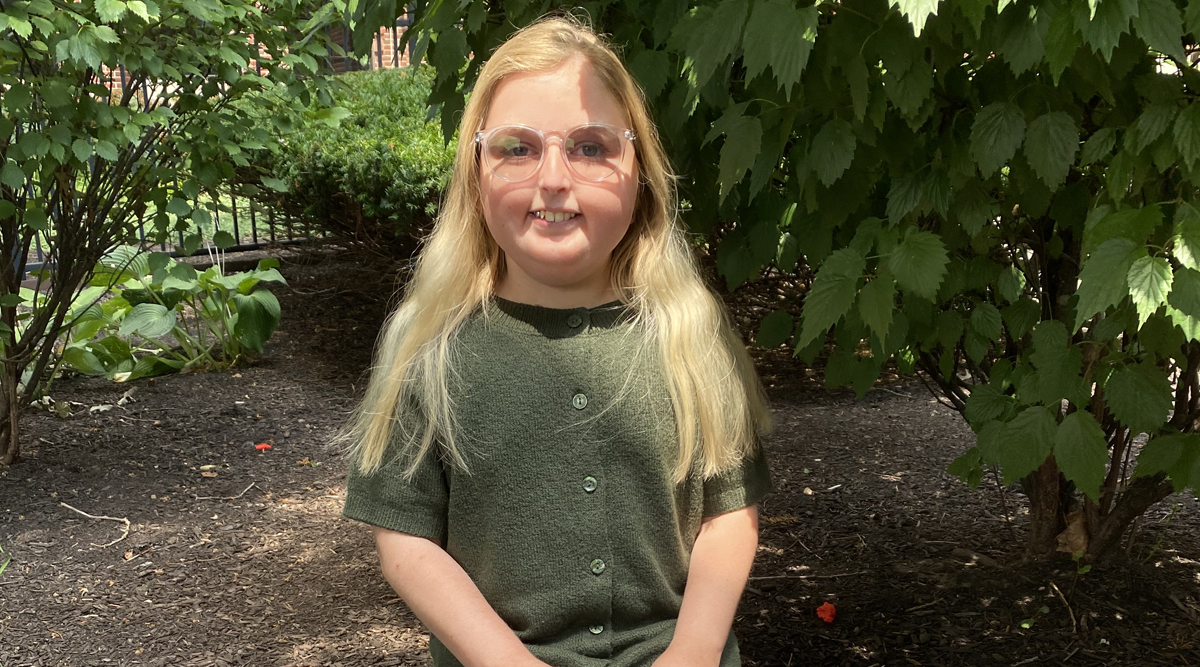
Kennedy, now a 15-year-old sophomore in high school, was diagnosed with an optic pathway/hypothalamic tumor (a low-grade glioma) when she was 19 months old.
It was benign but life-threatening because it grows, putting pressure on the optic nerve and the brain itself, affecting her eyesight and her pituitary gland, in particular. And it is inoperable.
The diagnosis was devastating, Krystal Ellis said, but at the same time it was a relief just to have an answer for why their baby girl was slipping away from them because she couldn’t eat.
“My husband and I took it day by day, hoping and praying, but we were scared to death.”
She credits Riley Children’s Health for never giving up on their child.
“Riley has done so much for us. They have saved her so many times.”
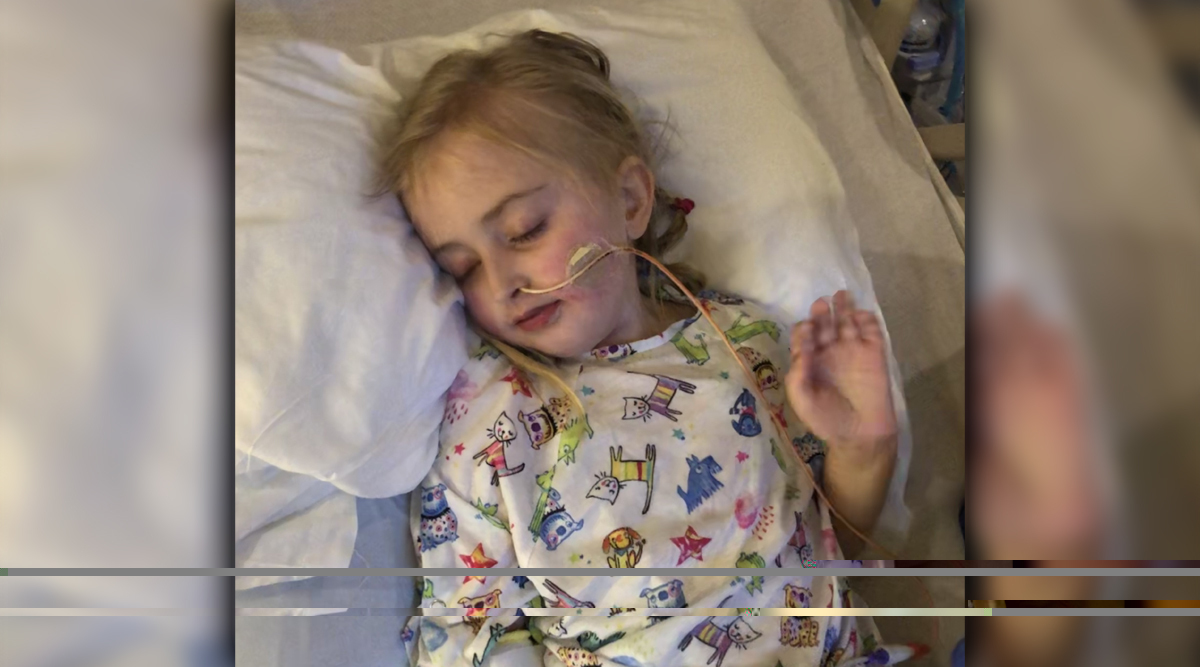
The first step was surgery to try to remove at least a portion of the tumor, but its location in the middle of the brain made that impossible. Her main treatment through the years has been chemotherapy – first administered intravenously, then in pill form as new drugs became available.
The tumor and treatment have taken a toll on Kennedy’s body, but not her spirit. She is the “good” kind of stubborn, her mom said. Strong-willed and smart but with a big heart.
“Her life is proof that strength and gentleness can exist in the same heart.”
She began suffering seizures in 2019, about seven years after diagnosis, and had to be placed in a medically induced coma before they could be stopped. She then had to relearn to walk and talk through intense therapy.
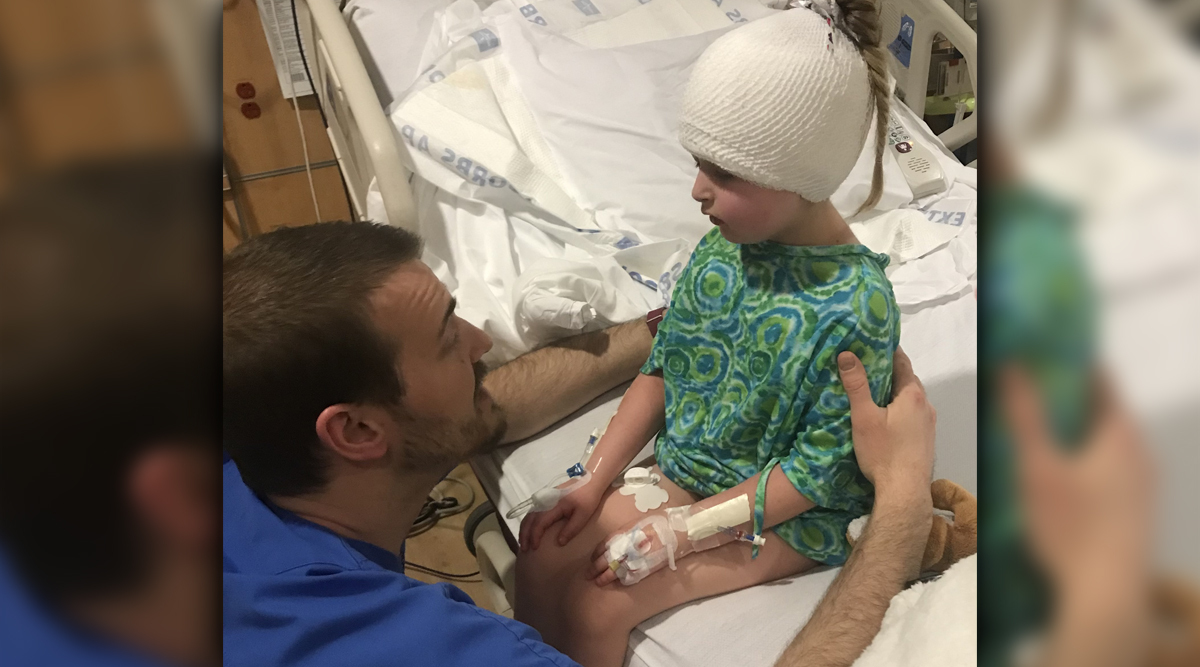
Kennedy was part of a clinical trial in 2024 for a targeted cancer medication called tovorafenib that has revolutionized care in some patients. It was approved by the FDA in 2025. The drug, taken weekly, helped put her on the path to better health, shrinking her tumor by nearly half to about the size of a grape.
Her growth has been affected by the tumor – she stands just 3 feet, 10 inches tall, and she has some muscle weakness – yet her intellectual development has not suffered. She is an A-B student at her Crawfordsville high school, where she particularly enjoys biology, she said.
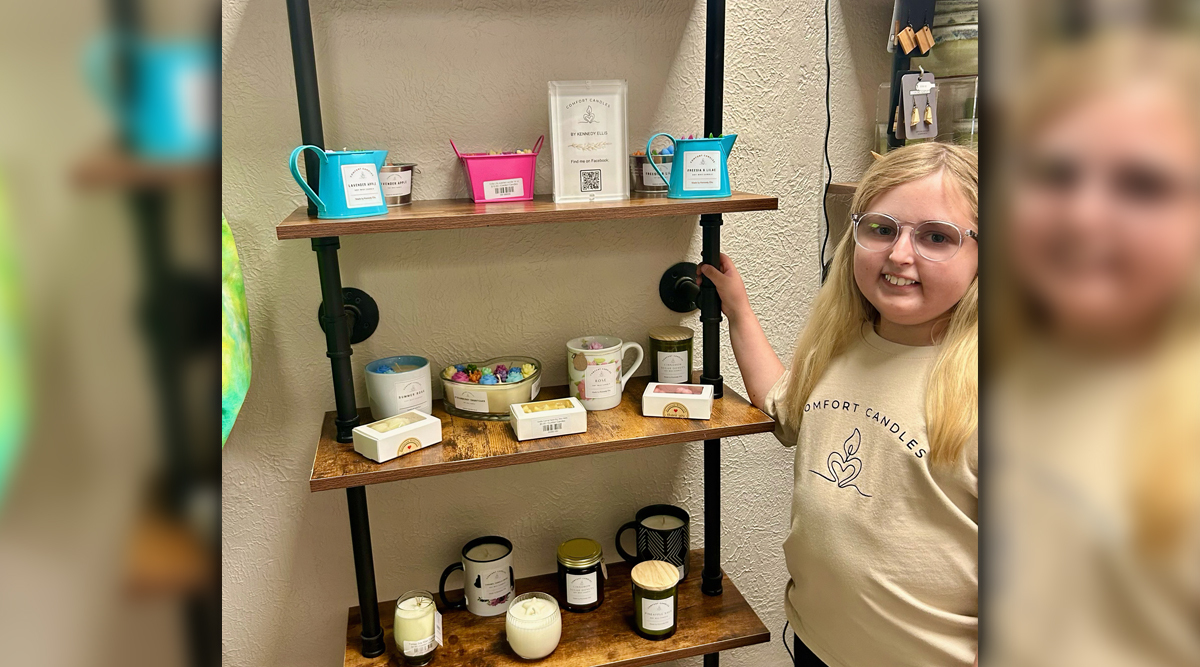
She is social, loves music and has even developed her own candle-making business. Her favorite thing to do is swing while listening to alt rock and hip-hop, she said. No Taylor Swift on her playlist.
“I like a lot of unique bands.”
You might not catch her dancing, but “I like to move my feet and bop my head,” she said with a smile.
Her mom and dad have been by her side every day. Dustin Ellis stepped back from his job to be a stay-at-home dad for the first 18 months after Kennedy’s diagnosis.
“I was knee deep in everything,” he said. “It was crazy. But when it comes to Kennedy, we’ve been very hands on. She’s all that matters.”
Her mom now handles the day-to-day care, but the couple tackle things together, each supporting the other.
“Our family and community are very important,” Krystal said, noting that so many people have come alongside them to help ease the burden. “Hope carried her through the hardest days, and love surrounded her every step of the way.”
Every four months, Kennedy returns to Riley for an MRI and bloodwork to ensure that the tumor is stable. The past 18 months is the longest period she has gone without requiring any chemo.
“I didn’t really notice how much it affected me until I was off it,” the teen said. “I’m less tired, less nauseous. I enjoy food more and I can go out in the sun.”
The Riley team has changed some over the years, but the family has felt deeply cared for by everyone, Krystal said.
Dr. Sandeep Batra and Dr. Scott Coven are among the oncologists who have treated Kennedy. Both are beloved by the family, as are all the advanced practice providers, nurses, therapists and technicians they have gotten to know in oncology, ophthalmology, neurology, neurosurgery, endocrinology and dentistry.
“There is nobody we haven’t loved,” Krystal said. “That’s the honest-to-God truth.”
Dr. Coven describes Kennedy as a “fascinating and amazing young person” who continues to impress him with her intellect, self-awareness and ability to champion her own care.
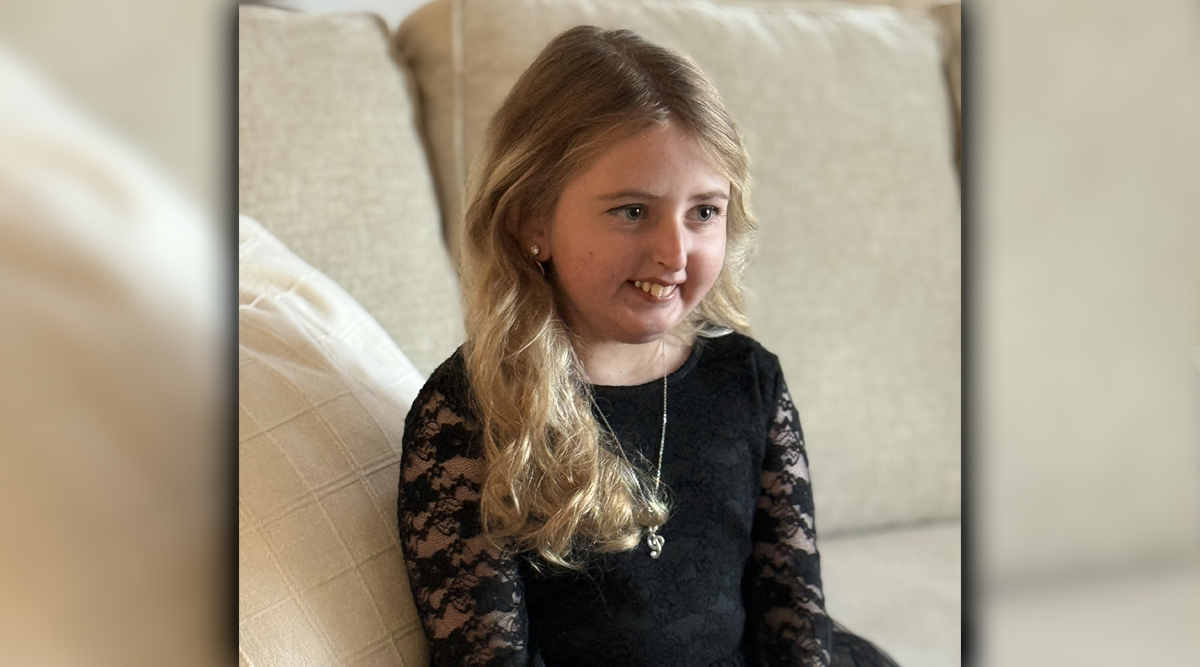
“Kennedy is so wise beyond her years. She’s been through so much, and she speaks so eloquently,” he said. “At every visit, she impressed me with her knowledge.”
Also, he said, her smile “lights up the room.”
Most gratifying for him was to see how well she responded to the clinical trial drug.
“We had to manage side effects, but we were seeing benefits we’ve never seen for her,” he said, specifically a reduction in the tumor’s size. “We’re starting to see that with this new class of medications in other patients as well, which is really exciting.”
Another benefit of these new drugs is the ability to restart them if the tumor were to start growing again.
While Kennedy and her parents can’t help but hold their breath when it comes time for a new brain MRI, they keep moving forward with the help of their faith, family and the Riley team.
“There are no words big enough to thank the people who have helped carry our child through 14 years of unimaginable challenges. To every physician who searched for answers, every nurse who offered comfort, every therapist who celebrated the smallest victories, and every staff member whose kindness eased our fears – thank you.”
Related Stories


Related Doctors

