


“This is such a monumental moment for Riley,” said President David Biggerstaff in announcing the first-in-Indiana dual-treatment unit.
By Maureen Gilmer, Riley Children’s Health senior writer, mgilmer1@iuhealth.org
Sarah Scheidt would like to hire a few more unicorns for the new pediatric medical-behavioral health unit opening at Riley Hospital for Children this fall.
Specifically, she wants nurses and techs who possess a rare combination of traits – clinical skills and a passion for behavioral health care.
Scheidt is the clinical operations manager for the 11-bed unit, an expansion of Riley’s footprint in the pediatric psychiatric space and one more advancement in addressing the “crisis of our era,” according to Riley leaders.
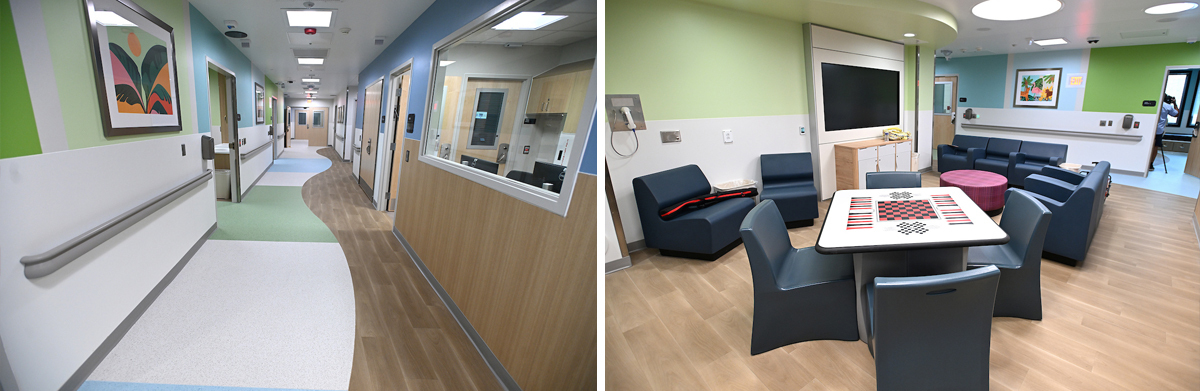
The specialized unit, which will allow children to receive in-patient treatment for mental health crises and acute medical needs at the same time, is the first of its kind in Indiana and among just a few nationwide.
“It is going to be a great opportunity for nurses, especially new grad nurses,” Scheidt said. “You have to have that passion for behavioral health in this unit regardless of where you are in your nursing career.”
Riley already has a pediatric inpatient psychiatric unit, the Simon Skjodt Child and Adolescent Behavioral Health Unit, which opened a decade ago. But the additional unit is unique in that it will be staffed by physicians who are board-certified in pediatrics and psychiatry, so they can treat children with medical as well as behavioral health needs.
“This is such a monumental moment for Riley,” said President David Biggerstaff during a tour of the new space in Riley’s Downtown Indianapolis hospital. “Currently, kids with mental health and medical needs are spread across the hospital and across the state. This gives us a dedicated unit for caring for these kids.”
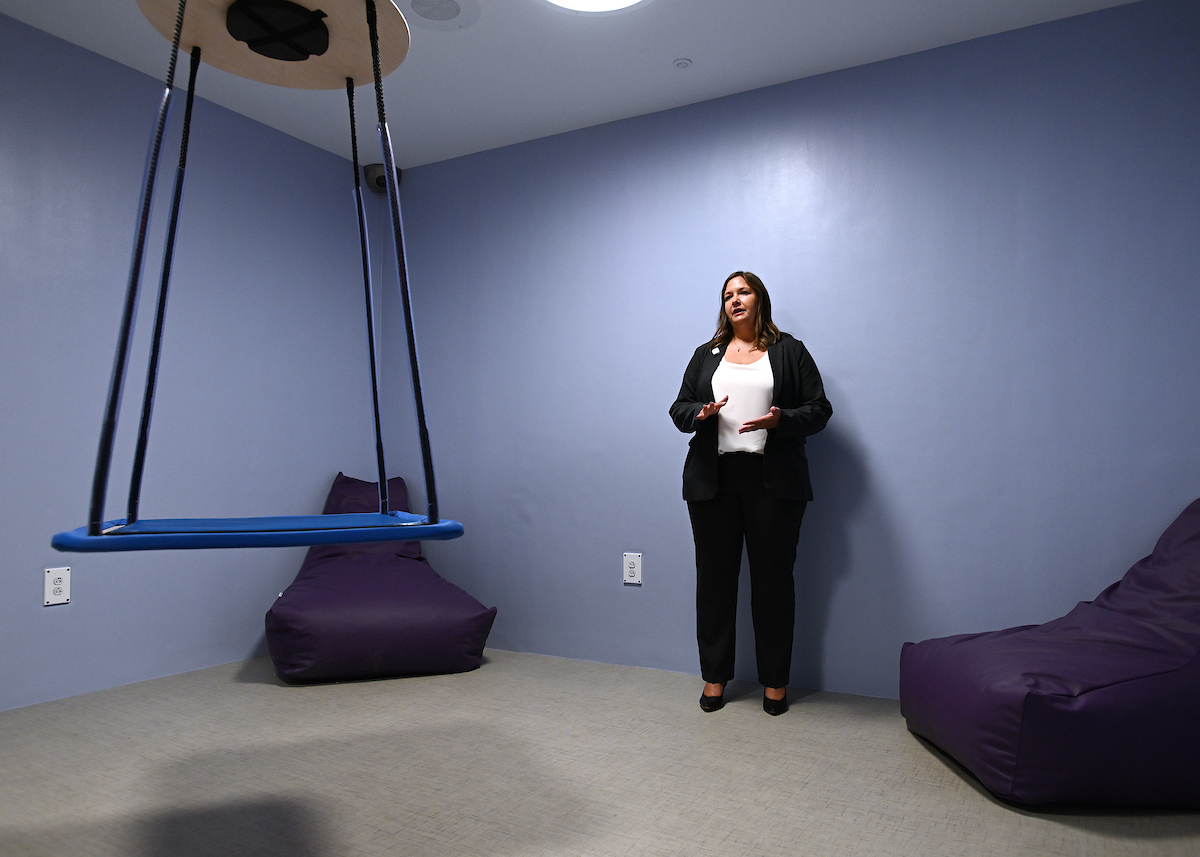
The unit, funded through donations to Riley Children’s Foundation, features individual patient rooms with safe showers, lighting and fixtures designed to eliminate risks of self-harm. In addition, there is a main gathering space for conversation and recreation, as well as therapy rooms and a classroom.
Having an area where kids can relax and play games is important for their healing, said Rachael Fisher, administrative director for Behavioral Health and Integrated Care Management.
The project arrives at a crucial moment for pediatric health in Indiana. According to the National Alliance on Mental Illness (NAMI), approximately 74,000 Indiana adolescents experience serious thoughts of suicide each year, while 114,000 suffer major depressive episodes. Historically, youth experiencing both medical and mental health crises have faced significant gaps in care — often staying in emergency departments or requiring out-of-state placement.
Courtney Roberts, president of RCF, said the new unit shows the impact a committed community can have.
“Our donors recognized the urgent and growing need for expanded pediatric behavioral health services,” she said. “Their support helped create a welcoming, innovative space where children and families can receive the specialized care they deserve during some of their most challenging moments.”
From a recruiting standpoint, the new unit “offers a unique training opportunity for people who are interested in this bridge between psychiatric and medical care,” said Riley’s new physician-in-chief, Dr. Douglas Graham.
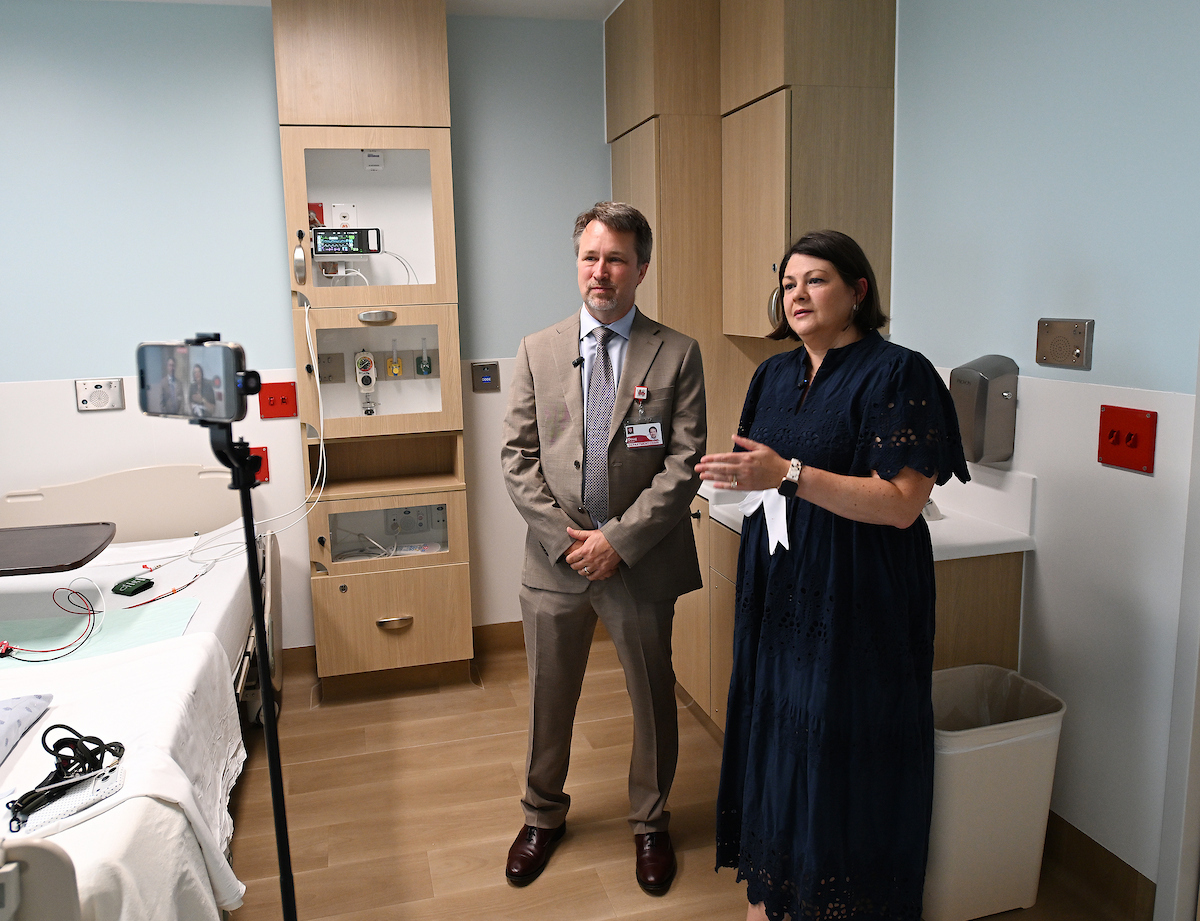
“This unit is the perfect place where they can put those skills to work and care for the whole child across the psychiatric and medical spectrum,” said Dr. Leslie Hulvershorn, chair of the Department of Psychiatry in the IU School of Medicine and a child and adolescent psychiatrist with Riley Children’s Health.
The new unit is one more piece in Riley’s multi-pronged approach to addressing the mental and behavioral health of children.
“This is part of Riley’s plan to expand care in the medical/behavioral health space,” she said, adding that Riley already provides integrated care in the pediatric primary care setting for thousands of kids across the state, as well as a newly renovated behavioral health access center in the emergency department, the Simon Skjodt psychiatric unit and the Charis Center for Eating Disorders.
“This new unit will allow us to care for kids who have different complexities of illness,” Dr. Hulvershorn said. “It’s a special group of folks who want to care for these patients. The nurses have medical expertise but also behavioral-health knowledge and interest.”
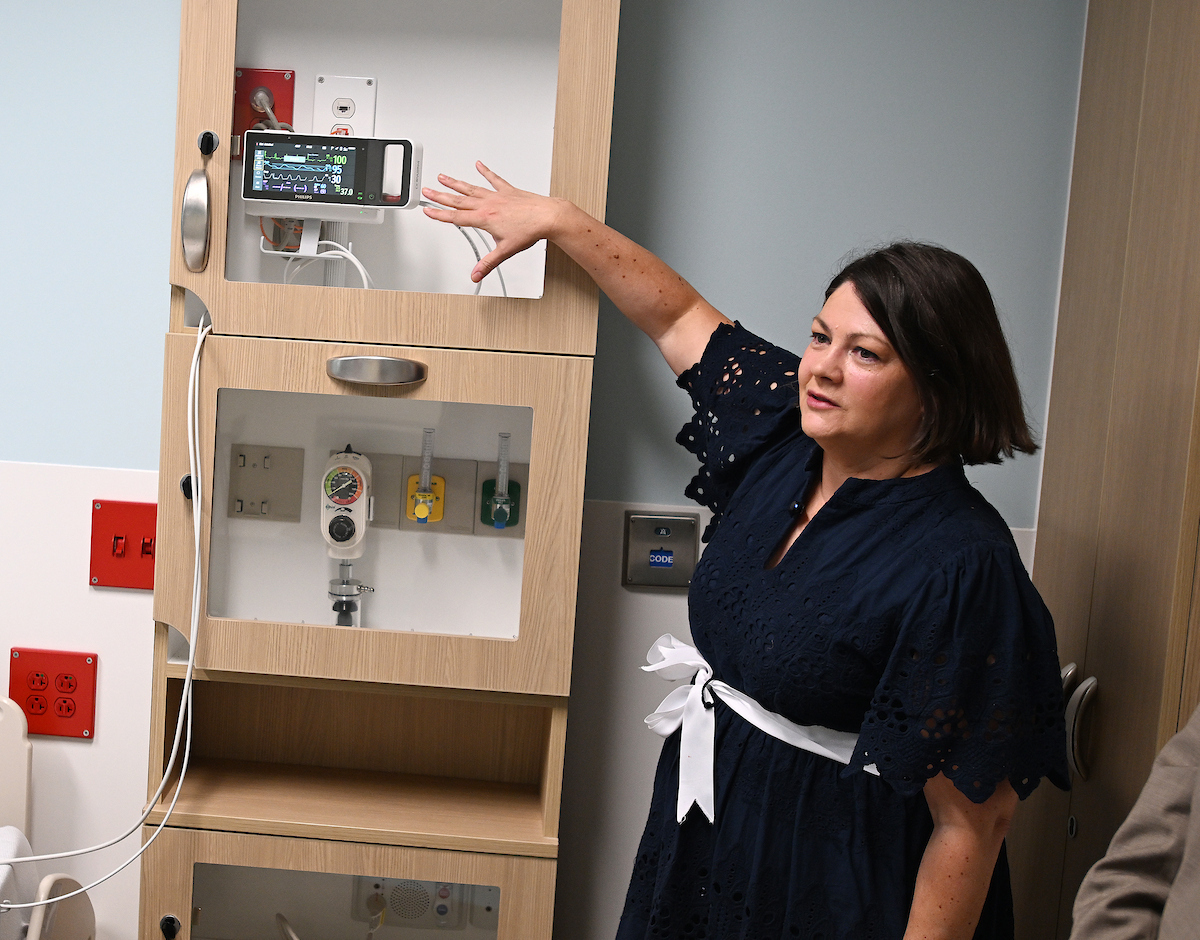
As Scheidt fills out her nursing and tech staff, particularly on the night shift, she said she is looking for several qualities in team members: clinical skills, a good attitude, excellent communication skills, reliability and an interest in behavioral health.
“It is a bonus if they’ve had some training in behavioral health,” she said. But what is most important is that “they have that passion and are willing to be adaptive in the environment.”
Nationally, mental health conditions remain among the most common health challenges facing children and adolescents, yet barriers to timely treatment and access to specialized services persist.
A growing number of youth admitted to pediatric hospitals who require simultaneous treatment for medical and behavioral health conditions cannot be effectively or safely treated in a traditional medical unit or a psychiatric facility alone.
Riley’s new medical-behavioral health unit, which addresses this gap in care, will provide a safe, therapeutic environment in which to deliver integrated care from a specialized team of pediatricians, psychiatrists, nurses, therapists, social workers and behavioral health specialists, leaders say.
“It’s about how we continue to improve the care we provide all kids,” Biggerstaff said. “Every child deserves access to the specialized, compassionate care they need to heal and thrive. This innovative space expands access to comprehensive behavioral health services for youth across Indiana, ensuring more young people with complex medical and mental health needs can receive coordinated, expert care close to home.”
The unit is expected to serve an estimated 325 patients annually who could receive treatment for eating disorders, catatonia, anxiety, depression and other psychiatric conditions that occur alongside significant medical issues.
Photos by Mike Dickbernd, IU Health visual journalist, mdickbernd@iuhealth.org
Related Doctor

Leslie A. Hulvershorn, MD
Related Stories


Related Doctors